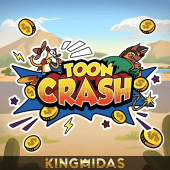
Toon Crash - Fast Card-Style Arcade Action
Toon Crash is a quick, colorful cards game built around simple choices and rising round tension. In brief, choose a stake, watch the round develop, and decide whether to secure a result before the crash point; the best approach is calm observation rather than chasing a previous outcome.
Players looking for a Toon Crash Demo can first learn the visual rhythm without treating a practice round as a promise of future results. This guide explains the Toon Crash flow, useful milestones, decision planning, and the practical way to explore the table game ph Toon Crash experience on a phone or desktop.
Toon Crash and More Card Picks
Toon Crash: Theme, Pace, and Player Experience
Answer first: Toon Crash feels approachable because its bright cartoon presentation puts the focus on one readable round at a time. The cards identity gives the experience a familiar frame, while the crash-style rise creates a short decision window that keeps the table game ph Toon Crash session lively.
Colorful characters, clean symbols, and a compact play area make the first screen easy to scan. Instead of asking a new player to learn a large collection of menus, Toon Crash presents a repeated loop: review the current stake, observe the round, and choose a comfortable stopping point. That clarity is the central part of the Toon Crash experience.
The pace is deliberately snappy, but speed does not have to dictate your behavior. Let the animation finish, notice what the controls communicate, and treat each Toon Crash round as independent. Players who enjoy a more traditional card table can also compare the decision feel with Baccarat A while keeping the two games' rules separate.
Sound and motion can add energy, yet a quiet session is often easier to manage. On a small screen, the Toon Crash layout remains most useful when brightness is comfortable and notifications are muted. A focused setting helps you read the current round rather than react to the previous one.
Toon Crash: Milestones That Make a Session Memorable
Answer first: Meaningful Toon Crash progress comes from completing personal process goals, not from assuming that a lucky streak will continue. A useful milestone is learning the controls, recording a planned number of rounds, and finishing within the limit you set before opening the table game ph Toon Crash lobby.
Early progress can be as simple as identifying the stake display, locating the round action, and recognizing when a result has been secured. Once those details are familiar, a player can concentrate on timing and session awareness. The Toon Crash interface rewards a clear routine because fewer rushed taps leave more attention for the decision itself.
Consider three experience markers: a calm first practice session, a repeatable budget check before every entry, and a clean stop when the planned session ends. These are stronger Toon Crash achievements than counting near misses. They show that your process is working even when a round does not produce the result you wanted.
Keep notes brief and factual. You might record the session length, the stake range, and whether you followed your exit rule. Do not interpret a short run as a forecast. Toon Crash outcomes are round-specific, so a milestone should measure discipline and understanding rather than claim a guaranteed pattern.
A Practical Toon Crash Approach to Each Round
Answer first: The clearest Toon Crash strategy is to decide your stake and exit condition before the round begins. This turns a fast choice into a prepared choice: set a small, affordable unit, know when you will stop, and do not increase it to recover a result from an earlier round.
Start by separating learning from play. A Toon Crash Demo or any available practice view can help you identify the controls and timing language. When you move to a funded session, keep the same simple routine and use only money allocated for entertainment. Practice teaches navigation; it cannot predict the next crash point.
- Set the frame: choose a session budget, a time window, and a maximum stake before entering Toon Crash.
- Read the round: watch the current sequence without borrowing conclusions from an earlier result.
- Use the plan: apply the exit condition you selected, whether that means a modest target or a firm time-based stop.
- Review once: after leaving, note whether the plan was followed and then close the session.
Comparing formats can sharpen understanding, but it should not mix rules. A player may browse Toon Crash and a familiar card table in the same lobby, yet each game deserves its own stake plan. The table game ph Toon Crash view is a short-round format, not a reason to play faster or to change a budget mid-session.
Toon Crash Winning Tips for Clear Decisions
Answer first: The most useful Toon Crash tips are practical: keep stakes consistent, read every control, pause after an emotional result, and leave when your limit says to leave. No tip removes chance, so a good decision is one that protects your time and budget as well as your enjoyment.
- Use a small unit. A modest repeatable stake lets you evaluate the Toon Crash rhythm without putting the whole session at risk.
- Choose the stop before the start. Write down a loss limit and a time limit; do not negotiate with either one during a tense round.
- Keep the display readable. On mobile, hold the phone steadily and avoid rapid taps that could select the wrong action.
- Pause after a surprise. A near win and a quick loss can both create pressure. A short break is more useful than a larger follow-up stake.
- Review the rules. If a control or settlement is unclear, leave the round and read the information before returning.
Players who like to alternate between card-style choices and other formats can visit Wild Bounty Showdown for a different pace, then return to Toon Crash with a fresh budget decision. Likewise, a game such as Boxing King has its own presentation and should not be treated as a Toon Crash strategy test.
These are habits for clearer participation, not promises of profit. Keep the table game ph Toon Crash session recreational, take breaks, and stop if the activity no longer feels comfortable.
When to Start: A Toon Crash Play Invitation
Answer first: Start Toon Crash when you understand the round controls, have a separate entertainment budget, and can give the session your full attention. If any of those conditions is missing, save the game for later and use a practice view to become familiar with the layout first.
The short format makes Toon Crash easy to revisit, but easy access should not become automatic play. Check your planned duration, set a reminder if helpful, and decide what a satisfying finish looks like before you open the lobby. A deliberate start makes the final stop much easier.
For anyone checking table game ph payments, review the available method, displayed limits, and confirmation details in the platform cashier before making a transaction. For table game ph mobile play, use a secure connection, keep your device private, and sign out when you finish.
A promotional action opens through the site's normal game control, while the decision to play remains yours. Keep the Toon Crash invitation tied to your plan, not to pressure from a previous outcome.
Toon Crash Facts at a Glance
Answer first: Toon Crash is listed here as a cards title with the display name Toon Crash and a colorful crash-style, quick-round presentation. This page is an English guide for the PH audience; it explains the experience without inventing a payout, result, or performance guarantee.
Toon Crash
cards
Short decision rounds
Read the controls
For a Toon Crash Demo, focus on recognizing the action area, the stake information, and the moment a round resolves. Demo familiarity is useful for navigation, but it does not change random outcomes. The same distinction applies whenever you compare table game ph Toon Crash information with another title.
Payment and account details should always be checked in the live platform interface before use. Keep login credentials private, use only one account where required, and contact the platform's support route if a transaction or round status needs clarification.
Finally, remember the scope of these Toon Crash facts: they describe a way to approach the game thoughtfully. They do not promise a winning system. A controlled session, an honest review, and a timely stop are the most portable facts to carry into any cards game.